The Best Retinol for Beginners (Without the Peeling)
As an Amazon Associate we earn from qualifying purchases — some links are affiliate links, at no extra cost to you. More
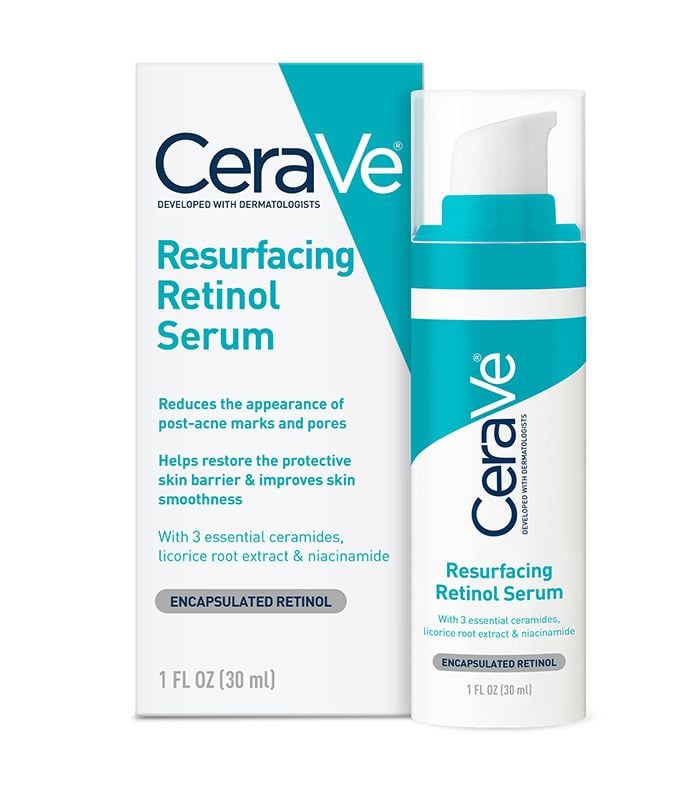
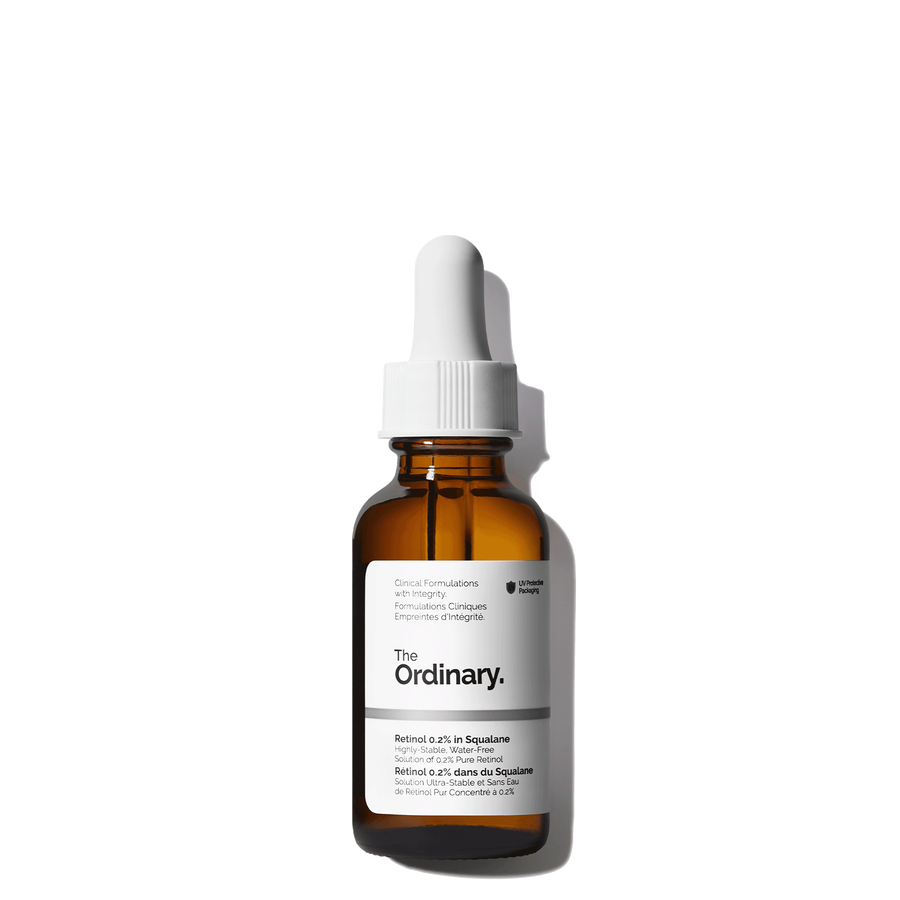
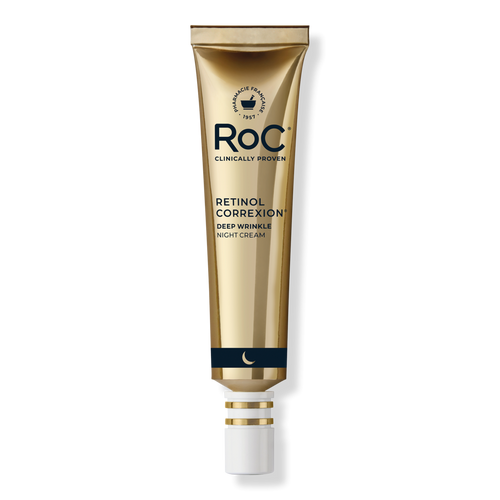
The best beginner retinol is a low-strength (0.2–0.3%) or encapsulated formula used two nights a week to start, buffered with moisturizer; this builds tolerance for smoother texture and softer fine lines while minimizing the redness and peeling that make people quit.
Retinol is the most proven over-the-counter ingredient for fine lines, texture, and tone — but going too strong too fast is why most beginners give up after a week of flaking. The trick is starting low, going slow, and letting your skin build tolerance. These formulas are gentle enough to start with and strong enough to see results.
Start with two nights a week for the first couple of weeks, then increase to every other night as your skin tolerates it. If you get flaking or redness, drop back a step. Consistency over months matters more than frequency.
Why is my skin peeling after starting retinol?
Mild peeling and dryness (“retinization”) is common in the first few weeks as skin adjusts. Use retinol less often, apply a moisturizer before or after it to buffer, and it usually settles. Persistent burning or severe irritation means the strength is too high.
Do I need sunscreen if I use retinol?
Yes — daily broad-spectrum SPF is non-negotiable with retinol. Retinol can make skin more sun-sensitive, and unprotected sun exposure undoes the tone and texture benefits you’re working toward.
Retinol vs retinoid — what’s the difference?
Retinol is an over-the-counter form of vitamin A that your skin converts into its active form; prescription retinoids (like tretinoin) are more potent and work faster but tend to be more irritating. Beginners almost always start with retinol.
As an Amazon Associate, Glow Vetted earns from qualifying purchases — at no additional cost to you.
Links on this page are affiliate links; picks are based on real, verifiable product details and honest
opinion. We never invent ratings or reviews.