The Best Vitamin C Serums for Brighter, More Even Skin
As an Amazon Associate we earn from qualifying purchases — some links are affiliate links, at no extra cost to you. More
The best vitamin C serum for most people is a stable 10–15% L-ascorbic acid formula paired with vitamin E and ferulic acid, which brightens dull skin and fades dark spots; sensitive or acne-prone skin does better with a gentler derivative like sodium ascorbyl phosphate or THD ascorbate.
Vitamin C is the most-researched brightening ingredient in skincare — it evens tone, softens dark spots, and adds antioxidant protection under sunscreen. The catch is stability: pure L-ascorbic acid is powerful but oxidizes fast, while gentler derivatives trade a little strength for a longer shelf life and less sting. Here are the formulas worth your money, matched to skin type.
Concentration — 10–20% L-ascorbic acid is the studied sweet spot; higher isn’t better and can irritate.
Supporting antioxidants — vitamin E and ferulic acid stabilize vitamin C and boost its effect.
Packaging — opaque, air-tight pumps or dark glass protect against light and air that degrade the formula.
Skin-type fit — pure L-ascorbic acid for resilient skin; derivatives (SAP, THD ascorbate, MAP) for sensitive or breakout-prone skin.
Freshness — if a serum turns dark orange or brown, it has oxidized and should be replaced.
Best overall
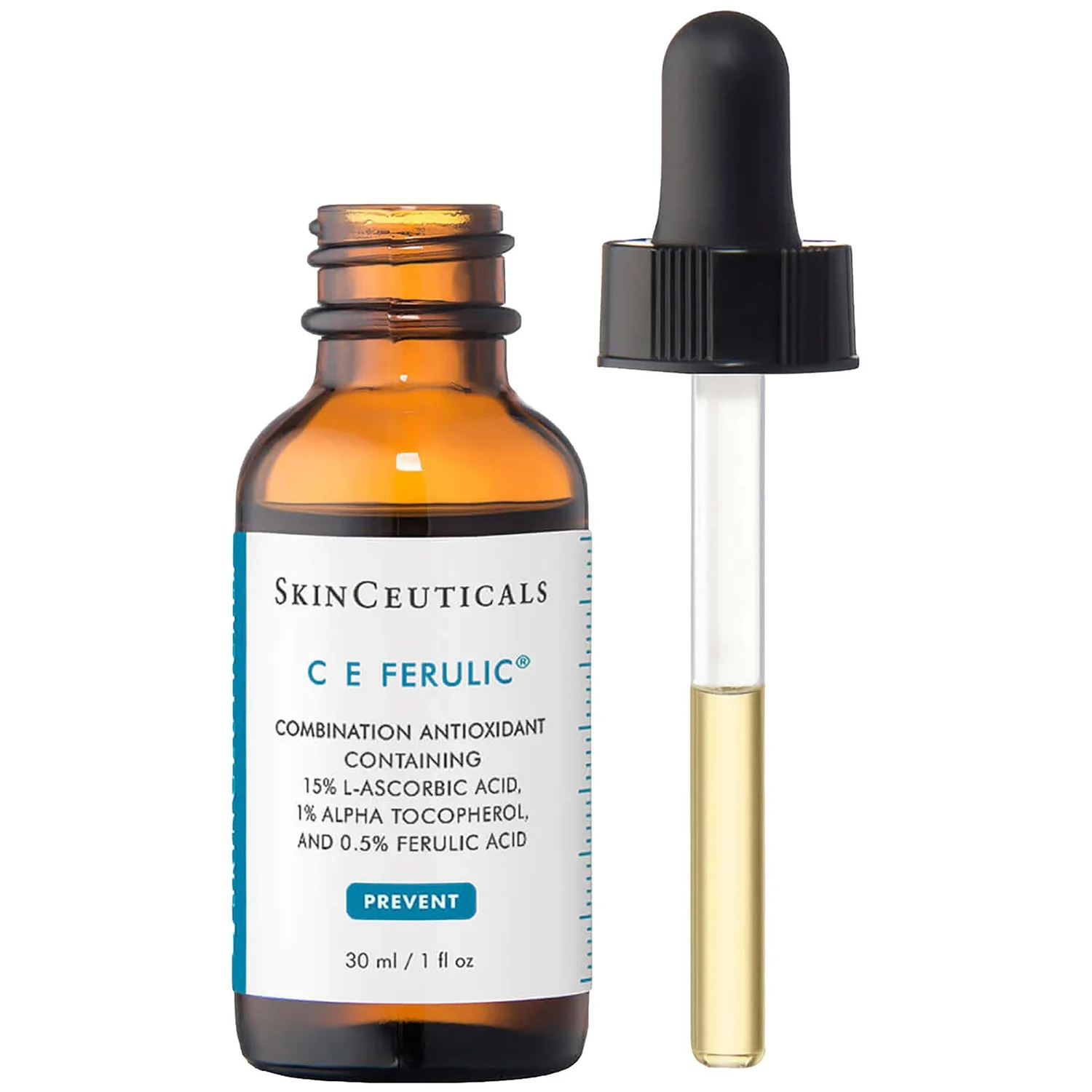
SkinCeuticals C E Ferulic
The reference-standard antioxidant serum: 15% L-ascorbic acid with vitamin E and ferulic acid in the well-studied combination most other formulas try to copy.
For pure L-ascorbic acid, 10–20% is the studied range — most people see brightening around 15% without extra irritation. Sensitive skin can start at 10% or use a gentler derivative at a similar strength.
When should I apply vitamin C serum — morning or night?
Morning is ideal. Vitamin C adds antioxidant protection that complements sunscreen, so apply it after cleansing, then moisturizer and SPF. It can be used at night too, but its daytime antioxidant benefit is the main reason most people use it in the AM.
Can I use vitamin C and retinol together?
Yes, but many people split them — vitamin C in the morning, retinol at night — to minimize irritation. If you layer them at night, introduce them slowly and always use sunscreen the next day.
How do I know if my vitamin C serum has gone bad?
Pure vitamin C oxidizes over time and turns from clear or pale yellow to dark orange or brown. Once it darkens noticeably it has lost potency and can be more irritating — replace it.
As an Amazon Associate, Glow Vetted earns from qualifying purchases — at no additional cost to you.
Links on this page are affiliate links; picks are based on real, verifiable product details and honest
opinion. We never invent ratings or reviews.